
Atypical Parkinson's syndromes
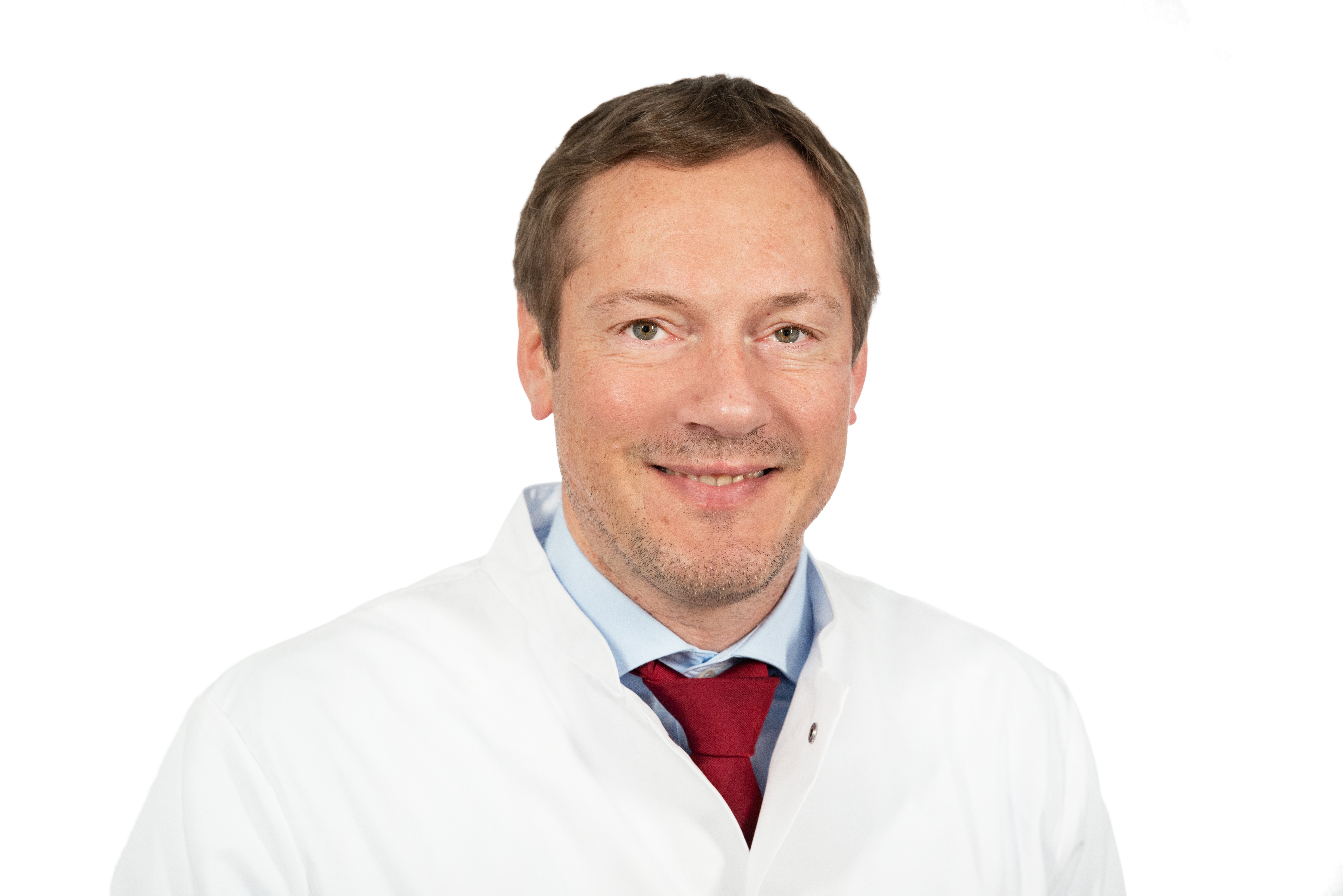
Prof. Dr. med. Günter Höglinger
Early identification, better treatment:
Support progress in research on atypical Parkinson syndromes
Atypical Parkinson syndromes are often only diagnosed at a late stage.
Your donation helps
Atypical Parkinson syndromes are a group of neurodegenerative diseases that can cause symptoms similar to those of Parkinson’s disease. They differ from Parkinson’s disease in their cause, the speed of the course of the disease, and their response to treatment. Nevertheless, the symptoms can be similar in early stages of the diseases.
Atypical Parkinson syndromes include in particular:
- PSP: Progressive supranuclear palsy
- CBD: Corticobasal degeneration
- MSA: Multiple system atrophy
What is PSP?
PSP is caused by a functional disorder in the brain that is associated with a pathological deposition of tau proteins. It is estimated that around six to seven of every 100,000 people will suffer from PSP in the course of their life, with the disease generally occurring from the age of 40. The initial symptoms of PSP can vary greatly. A typical form, which was described in 1963 and is called Richardson’s syndrome after the neurologist who discovered it, has very specific symptoms and is generally not mistaken for other diseases. It is accompanied by an impairment of voluntary downward or upward eye movements and an unsteady gait with sudden backward falls. However, some patients only develop the characteristic symptoms of PSP at a late stage or do not develop them at all, which makes the diagnosis more difficult. These different forms are called PSP phenotypes.
The symptoms of PSP vary considerably between patients. However, some common signs are:
- Progressive restriction of voluntary eye movements
- Gait instability and dizziness
- Sudden falls, especially backwards
- Difficulty walking and problems with balance
- Slowness of movement similar to that in Parkinson’s disease
- Visual impairments such as double vision or blurred vision
- Sleep disorders
- Lack of drive and personality changes
What is CBD?
Similar to PSP and MSA, CBD is a rare neurodegenerative disease that is caused by a progressive loss of nerve cells in the brain. The cause of CBD is – as in PSP – a pathological deposition of tau proteins in the brain. PSP affects around 1 in 100,000 people. The average age at disease onset is 60 to 70 years. The symptoms are caused by the loss of nerve cells in two main regions of the brain: the basal ganglia and the cerebral cortex. The symptoms are generally more pronounced on one side of the body than on the other. The neuronal cell death in the basal ganglia leads to Parkinson-like motor symptoms, such as muscle stiffness and slowing of movement. The neuronal cell death in the cerebral cortex causes problems in the execution of voluntary movements and the use of tools despite adequate motor skills (apraxia). An additional symptom is sensory impairment, which is seen, for instance, in difficulties in feeling objects with eyes closed (cortical sensory impairment). Another characteristic symptom is the alien limb phenomenon, in which the patient’s arm or leg feels like it doesn’t belong to their body and is alien.

What is MSA?
MSA is a neurodegenerative disease that affects both the autonomic nervous system (which regulates vital bodily functions such as heartbeat, blood pressure, breathing, digestion and temperature regulation – without our conscious involvement) and motor functions. The cause is the pathological deposition of α-synuclein protein in the oligodendrocytes, which leads to nerve cell damage in various brain regions. In Germany, MSA affects around two to five per 100,000 people. The average age at disease onset is between 50 and 60 years. MSA is divided into two main forms: MSA-P, which predominantly causes Parkinson-like symptoms, and MSA-C, which mainly involves cerebellar disorders, such as coordination and balance problems. Additional severe autonomic disorders, including a drop in blood pressure, bladder and bowel problems and dysfunction of temperature regulation, are characteristic of MSA.
Diagnostics in atypical Parkinson syndromes
Clinical diagnostics
The diagnosis of an atypical Parkinson syndrome is so far based on clinical symptoms and the patient’s medical history. Since an early and exact diagnosis is challenging, biomarkers and state-of-the-art imaging techniques play an increasingly important role in research.
Biomarkers
Analyses of blood and cerebrospinal fluid are important diagnostic tools because they help us to better understand the disease. With the help of biomarkers, it may be possible to identify atypical Parkinson syndromes in the early phase even before initial symptoms and to better understand the course of the disease. In addition, they make it easier for atypical Parkinson syndromes to be differentiated from other neurodegenerative diseases and enable individually tailored treatment. They also play a vital role in drug research because they help to measure the efficacy of new treatments.
Imaging diagnostics
Modern imaging methods allow the visualization of pathological protein deposits such as tau and synuclein in the brain that play a key role in the pathogenesis. These deposits impair cell function and contribute to the progression of the disease. With the help of these technologies, such changes can often be demonstrated in early stages of the disease or even before the occurrence of the first symptoms.

Therapy of atypical Parkinson syndromes
There is currently no cure for atypical Parkinson syndromes , and only a few drugs can alleviate the symptoms. However, research is making progress.
Drug therapy
Drug therapy is based on administration of high doses of dopamine substitutes, which, however, are only able to alleviate symptoms in some patients. There is currently no treatment that can slow down the progression of the diseases. Many patients with atypical Parkinson syndromes suffer from depressive disorders which should be identified early and treated appropriately.
Non-drug therapy
Regular physiotherapy, occupational therapy and speech therapy are particularly important. The aim of these measures is to help the patient to maintain as much independence as possible, avoid falls, and delay increasing immobility.

Preclinical models
Preclinical models allow us to research atypical Parkinson syndromes in detail and to develop new therapeutic approaches. They help us to test innovative agents and treatment strategies before they are tested on humans in clinical trials.
Clinical trials
The efficacy of new drugs and forms of treatment is examined in clinical trials at our hospital. Research is the only way to improve patients’ quality of life in the long term.
Our research approach
Our research concentrates on urgently needed progress in the diagnosis and treatment of atypical Parkinson syndromes. A central focus is the identification of objective biomarkers that enable a more precise and earlier diagnosis. In addition, we document the natural history of the disease to gain a better understanding of the pathomechanisms. We use genetic analysis and omics technologies to research the underlying biological processes as the basis for the development of new models and therapies. We use cell models to test potential treatment approaches before we test the tolerability and efficacy of new drugs in clinical studies with patients. Our aim is to develop innovative therapeutic approaches and to improve patient care in the long term.

Support our research!
Atypical Parkinson syndromes are currently diagnosed late and are not curable, but with targeted research we can open up new diagnostic and therapeutic pathways. Help us to develop innovative solutions to improve patient care.
Donating is easy
Bank transfer
Use the bank details below to transfer your donation directly.
Recipient: LMU München KdöR - Stiftungen@LMU
IBAN: DE16 7002 0270 0015 6232 55
BIC: HYVEDEMMXXX
Bank: HypoVereinsbank München
Reason for transfer: "Nerven bewahren" Foundation
If you need a donation receipt, please enter your full postal address in the bank transfer or send an email to nerven-bewahren@med.uni-muenchen.de
Donating online
Or use our convenient, secure online donation page. Click on the link below to send your donation.