Dizziness, balance and eye movement disorders
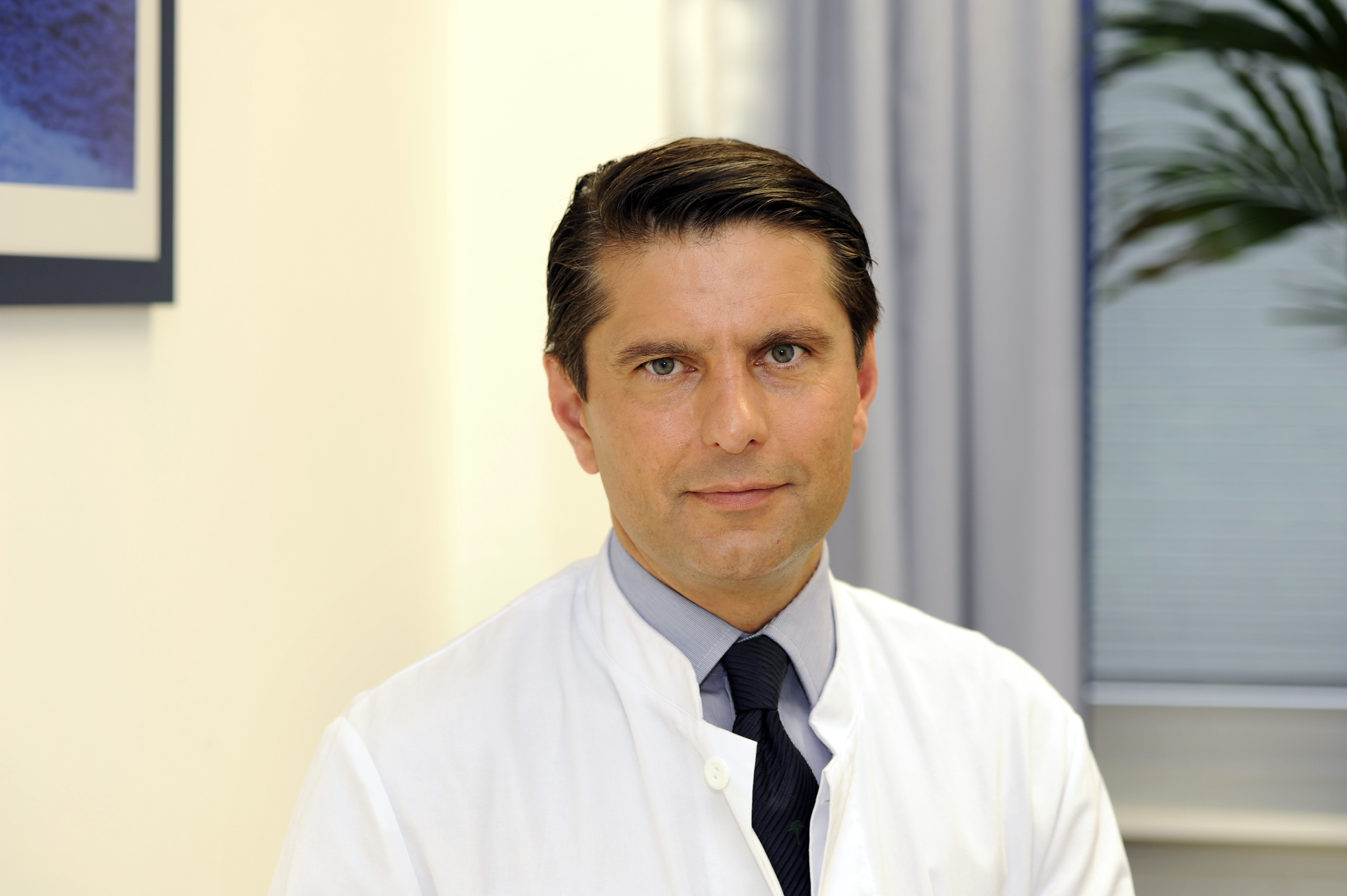
Prof. Dr.med. Dr. h.c. Michael Strupp
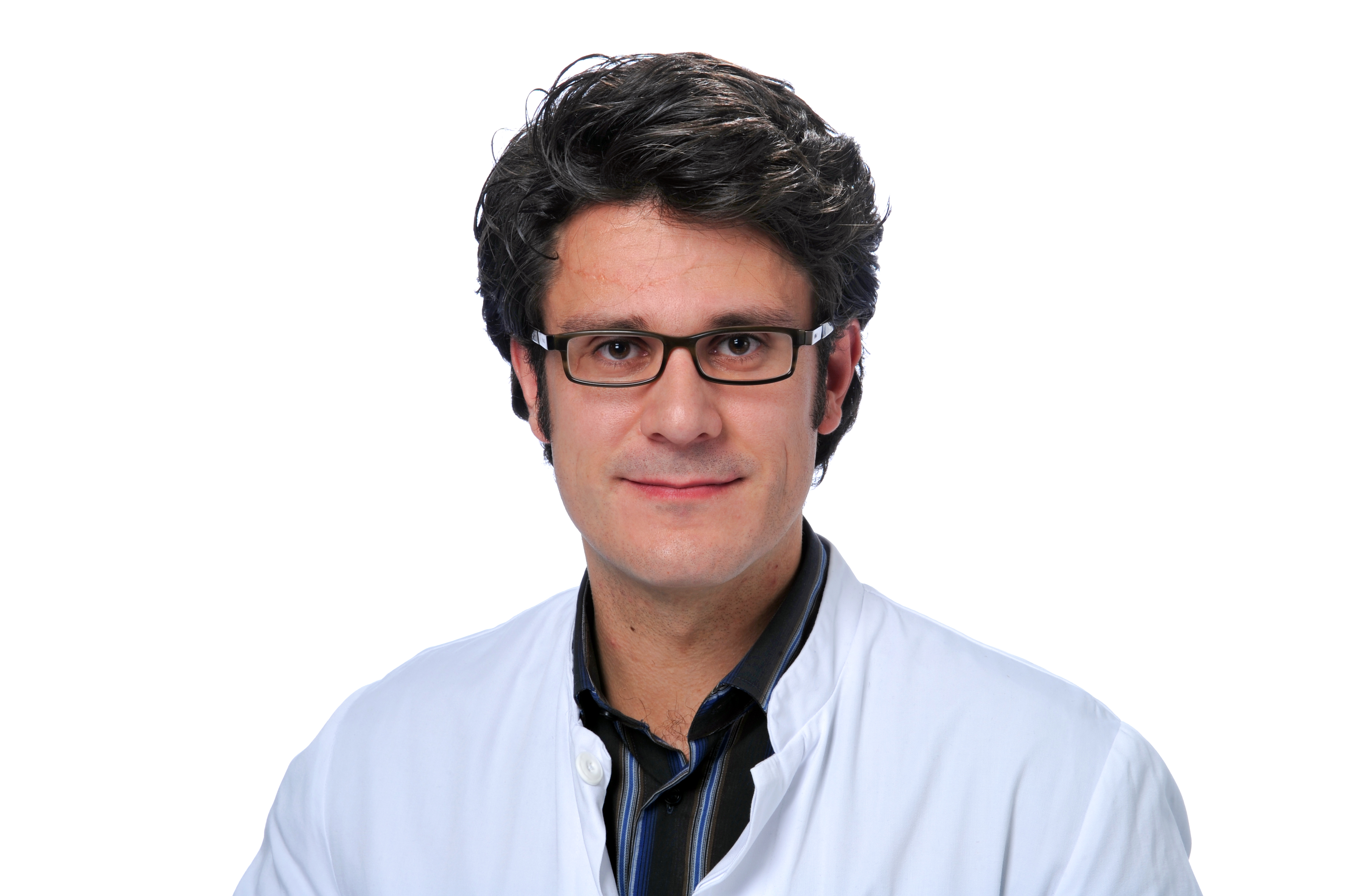
Prof. Dr. med. Andreas Zwergal
One in three people suffer from dizziness at least once in their lifetime.
Nowadays, the diagnosis can usually be made very quickly and most forms can be successfully treated.
Your donation helps
Dizziness and balance disorders are among the most common medical symptoms.
- Peripheral disorders that originate from the vestibular system in the inner ear or the vestibular nerves.
- Central diseases that are mostly based on disorders of the brainstem or cerebellum (e.g. stroke or multiple sclerosis).
- So-called functional dizziness caused by increased self-monitoring of balance.
- Other causes such as fluctuations of blood pressure or adverse effects of medication.
How are patients with dizziness diagnosed?
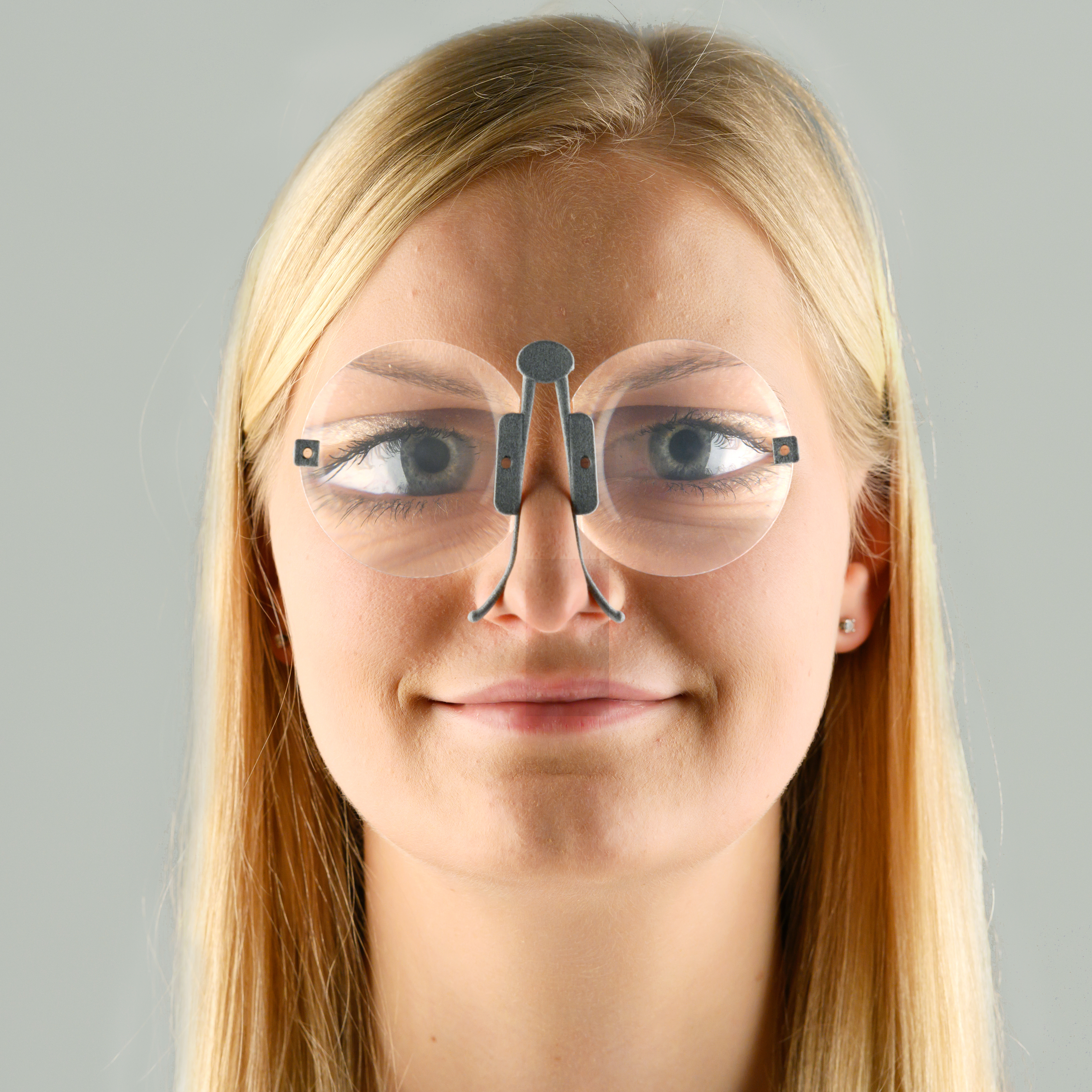
The diagnosis is based on a conversation with the patient and a physical examination. Particular attention is paid to the vestibular system, eye movements, and stance and gait. This is followed by a few instrument-based examination procedures.
How can we treat patients with dizziness?
Depending on the cause of the disease, we have four different treatment procedures: first, balance training or so-called liberatory maneuvers in positional vertigo; second, certain drugs, e.g. for prophylactic treatment of Menière’s disease or vestibular migraine; third, behavioral therapy; and fourth, rarely surgical treatment.
Where is research still needed?
Firstly, the diagnostic procedures for certain forms of dizziness need further improvement, for example, so that we can better differentiate between Menière’s disease and vestibular migraine. Secondly, to improve treatment. The need for research is greatest in this area, especially for good clinical studies, to prove, for example, that certain drugs are actually effective in Menière’s disease or vestibular migraine.

Donating is easy
Bank transfer
Use the bank details below to transfer your donation directly.
Recipient: LMU München KdöR - Stiftungen@LMU
IBAN: DE16 7002 0270 0015 6232 55
BIC: HYVEDEMMXXX
Bank: HypoVereinsbank München
Reason for transfer: "Nerven bewahren" Foundation
If you need a donation receipt, please enter your full postal address in the bank transfer or send an email to nerven-bewahren@med.uni-muenchen.de
Donating online
Or use our convenient, secure online donation page. Click on the link below to send your donation.