
Epilepsy


Semiology
Seizures can take many forms, from loss of consciousness (absence) to cramping of the whole body (grand mal). The type of seizure (called the “semiology“) can be used to better understand where in the brain the seizure occurs. We research seizure semiology to better understand these connections. We analyze seizures visually and use automatic analysis using radar or AI analysis of videos.
EEG
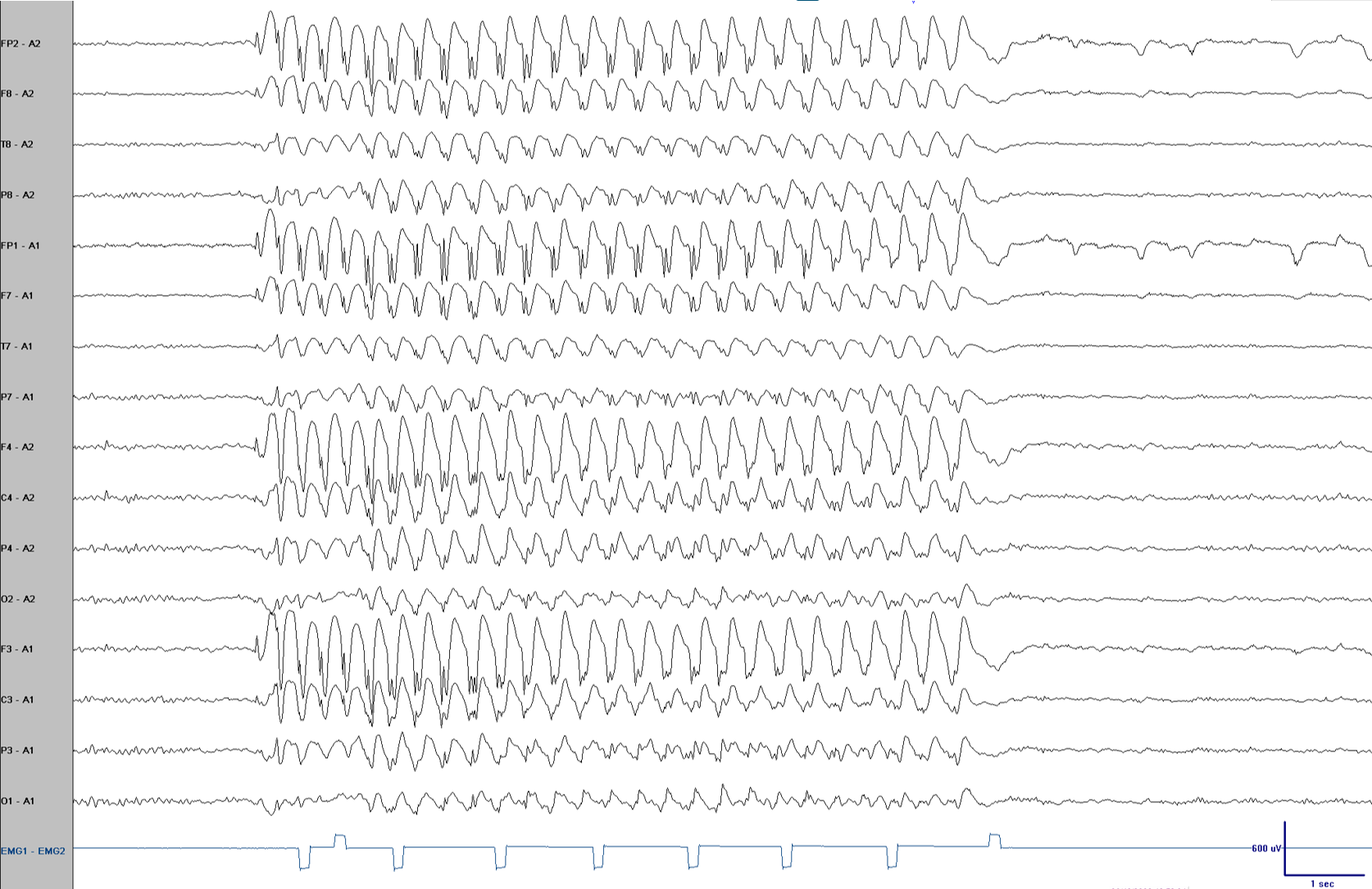
The EEG is the most important technical method in epilepsy diagnostics. We examine when certain signs appear in the EEG that tell us whether the patient has epilepsy and where it originates. To this end, we also research using AI methods because there are many curves in EEG whose importance for diagnosis is not yet completely understood.
Epilepsy surgery
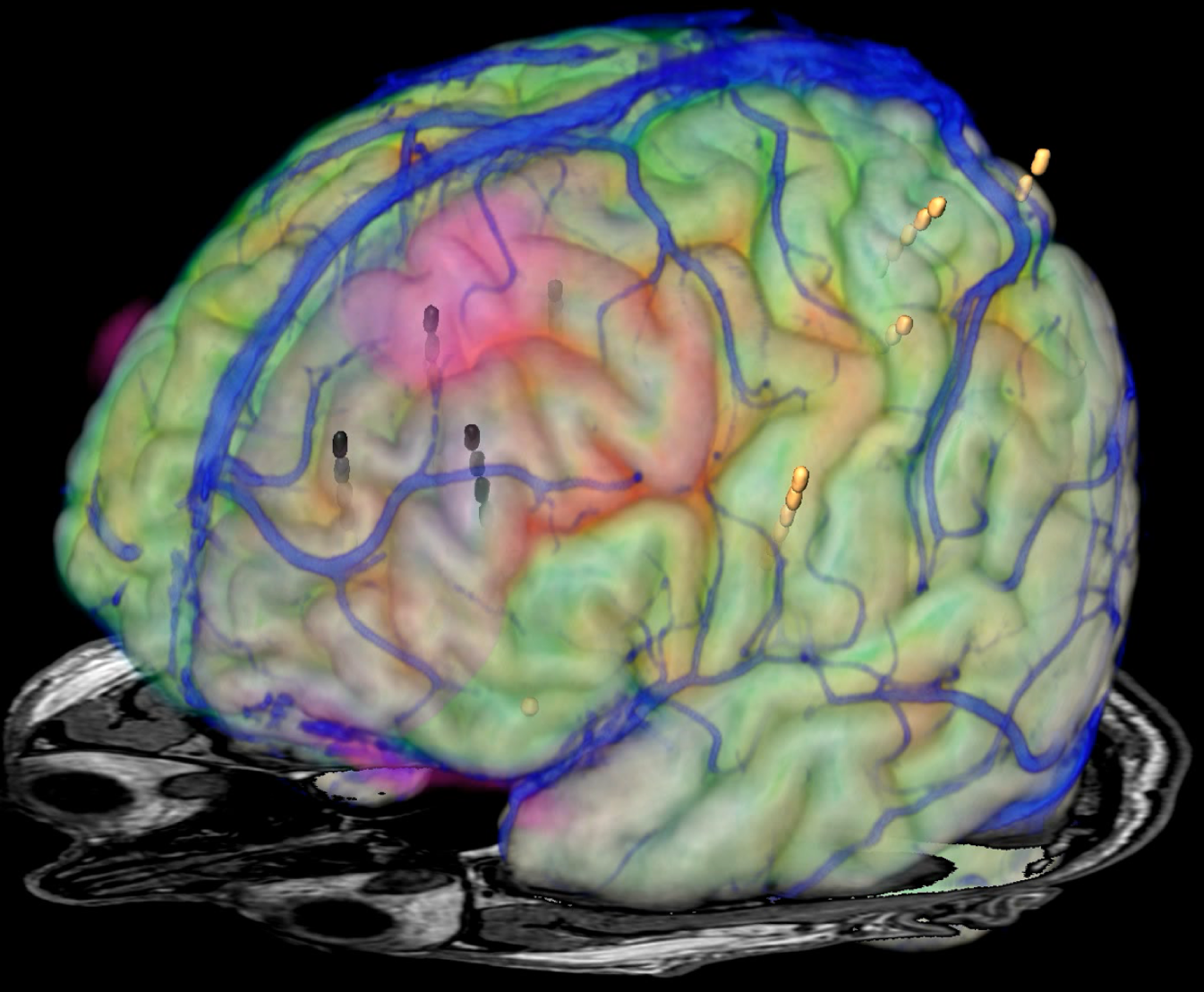
If we are able to clearly locate the brain region in which seizures occur, this part of the brain can normally be removed surgically to cure the epilepsy. To do this, we must distinguish the seizure onset zone from the healthy, functioning regions of the brain. We carry out research on imaging, surgical techniques, and nuclear medicine methods so that we can continually improve the success rate of this surgery.

Stimulation
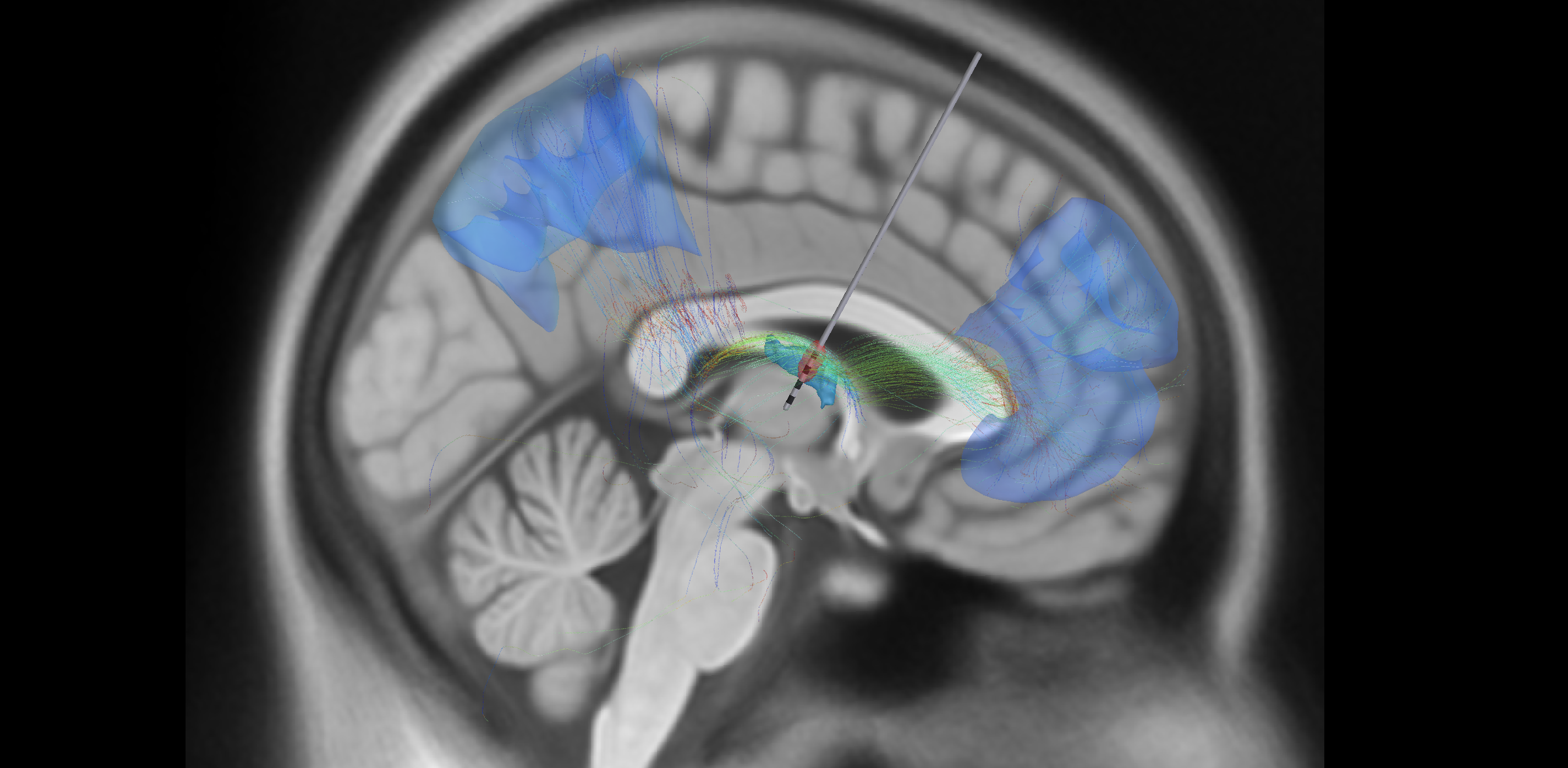
Patients with epilepsy that is difficult to treat, in whom an operation is not possible or was not successful, can be offered treatment with stimulation. The options here are vagus nerve stimulation (VNS), deep brain stimulation (DBS), and focal cortex stimulation (FCS). The aim is to reduce the frequency and severity of seizures. As an experienced neurostimulation center, we are continually striving to use findings from our research to further improve the treatment effect.