Parkinson's
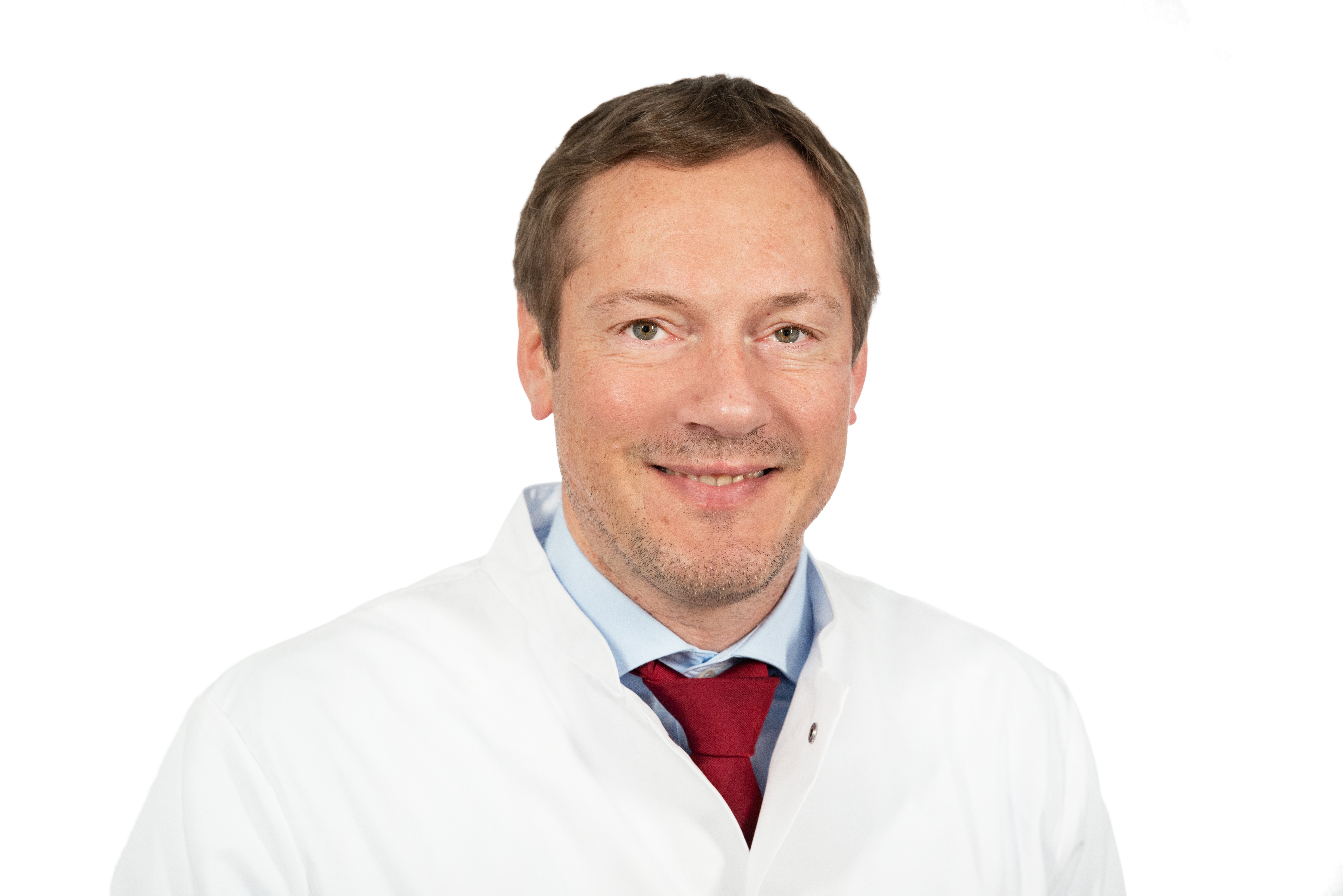
Prof. Dr. med. Günter Höglinger
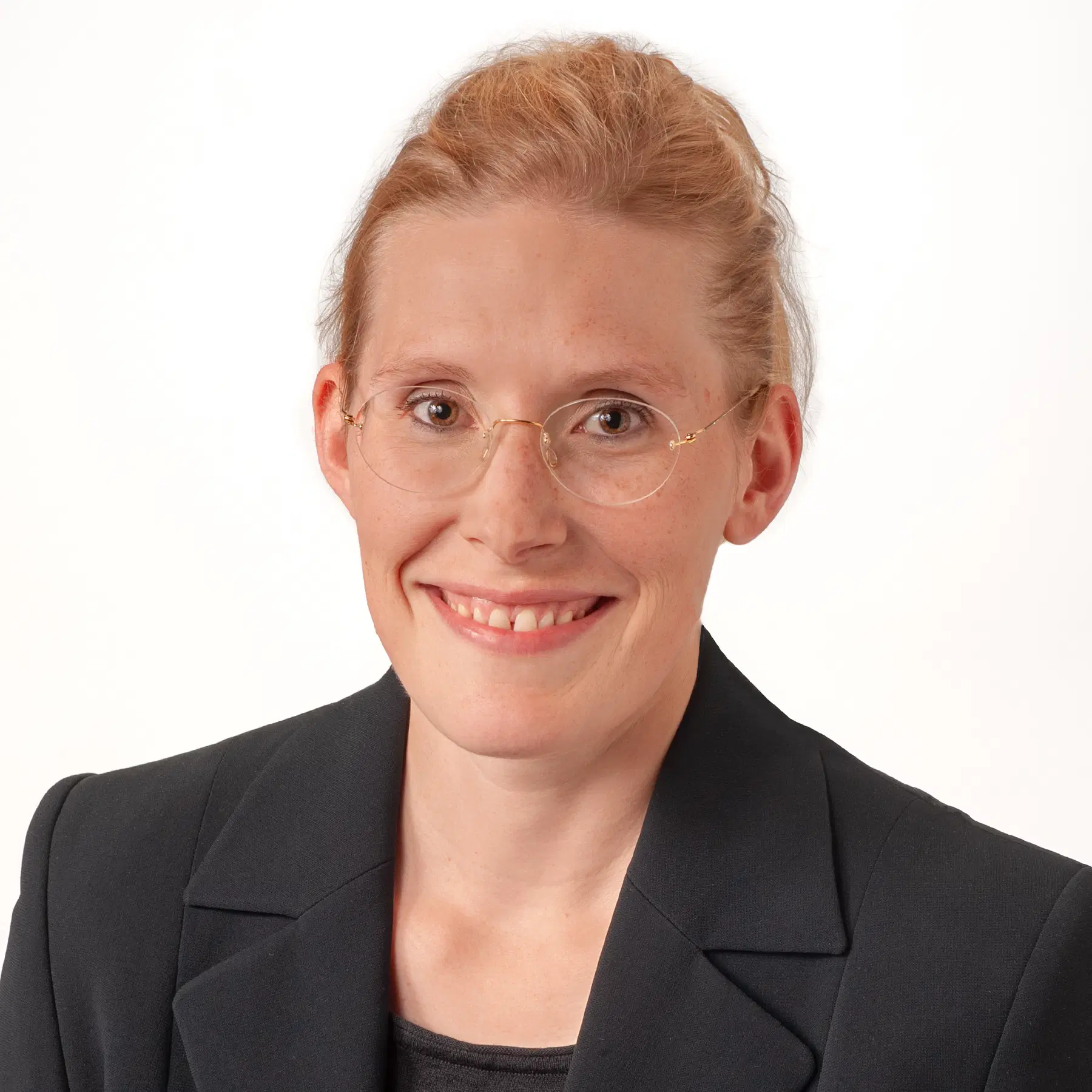
Prof. Dr. med. Franziska Hopfner
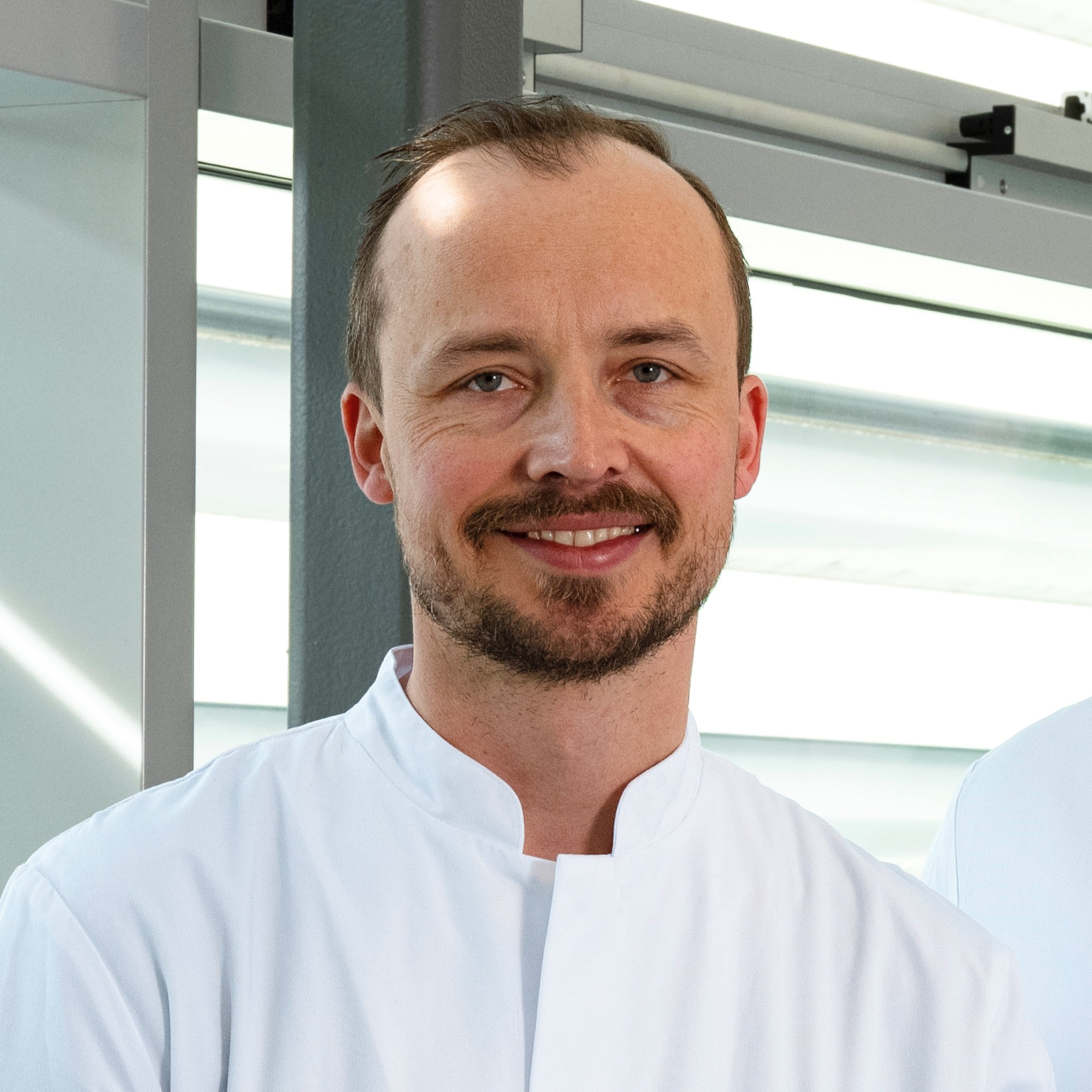
PD Dr. med. Thomas Köglsperger
Parkinson's affects over 400,000 people in Germany!
Parkinson's is treatable, but not curable
-
not yet.
Parkinson’s is treatable but not yet curable. Parkinson’s disease is a frequent disease of the nervous system that affects millions of people worldwide. It develops slowly and often begins with unremarkable signs, such as a reduced sense of small, sleep disorders or digestive problems. In the further course of the disease, typical movement disorders, such as shaking (tremor), muscle stiffness (rigor) and slowness of movement (bradykinesia), occur. In addition to these motor symptoms, non-motor symptoms, such as depression or memory problems, can also occur.
Your donation helps
Parkinson diagnostics
Clinical diagnostics
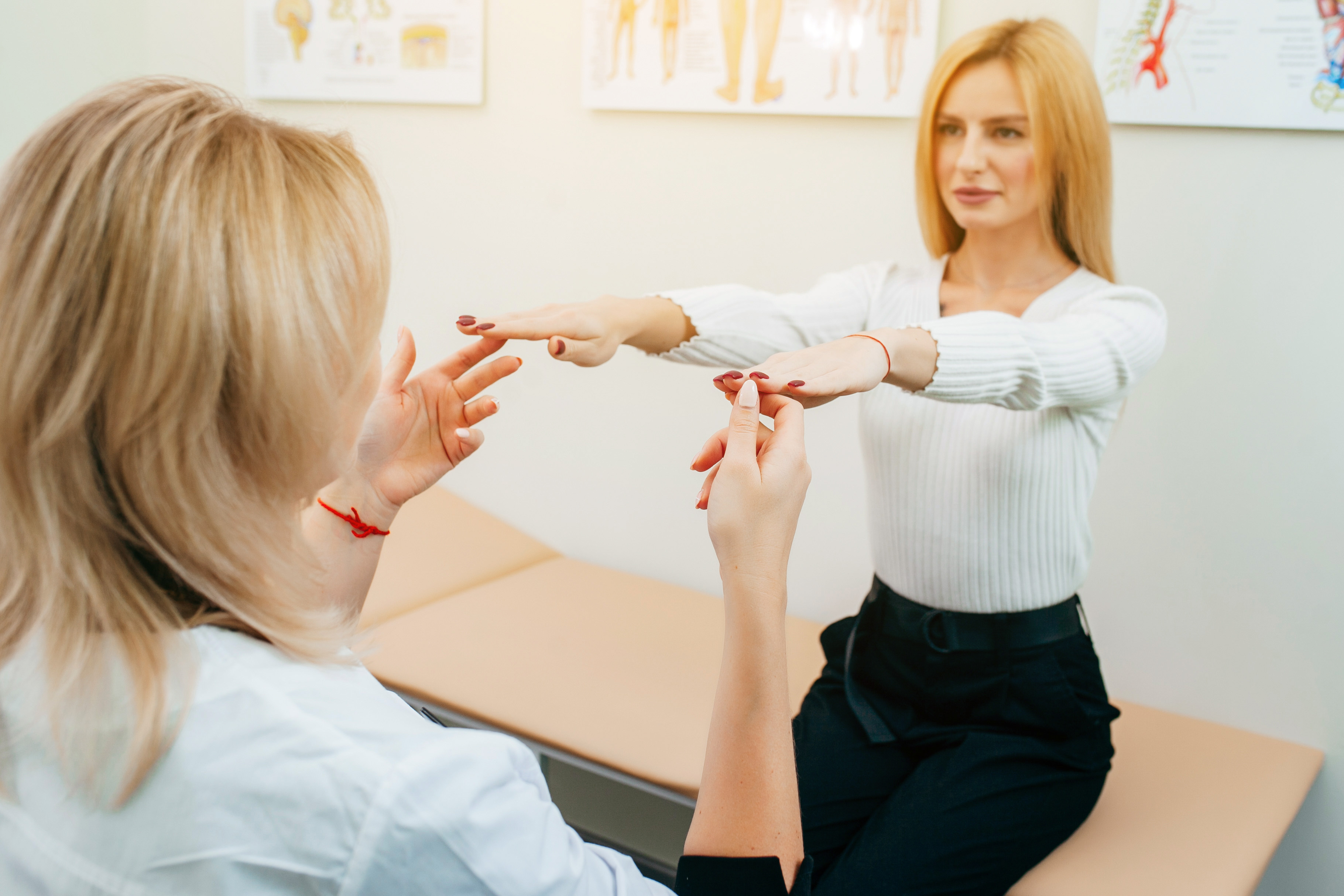
The early diagnosis of Parkinson’s is decisive for the course of the disease. We use targeted neurological examinations to identify first symptoms and differentiate Parkinson’s from other movement disorders.
Biomarkers
Analyses of blood and cerebrospinal fluid are important tools in Parkinson diagnostics because they help us to better understand the disease. Using biomarkers, Parkinson’s can potentially be identified before the first symptoms occur and the course of the disease can be better understood. In addition, biomarkers also aid the differentiation of Parkinson’s from other neurodegenerative diseases and enable treatment to be tailored to the patient. They also play a crucial role in the development of new drugs because they help to measure the efficacy of new treatments. All in all, these analyses help us to treat Parkinson’s earlier, more precisely, and in a more targeted way.
Imaging
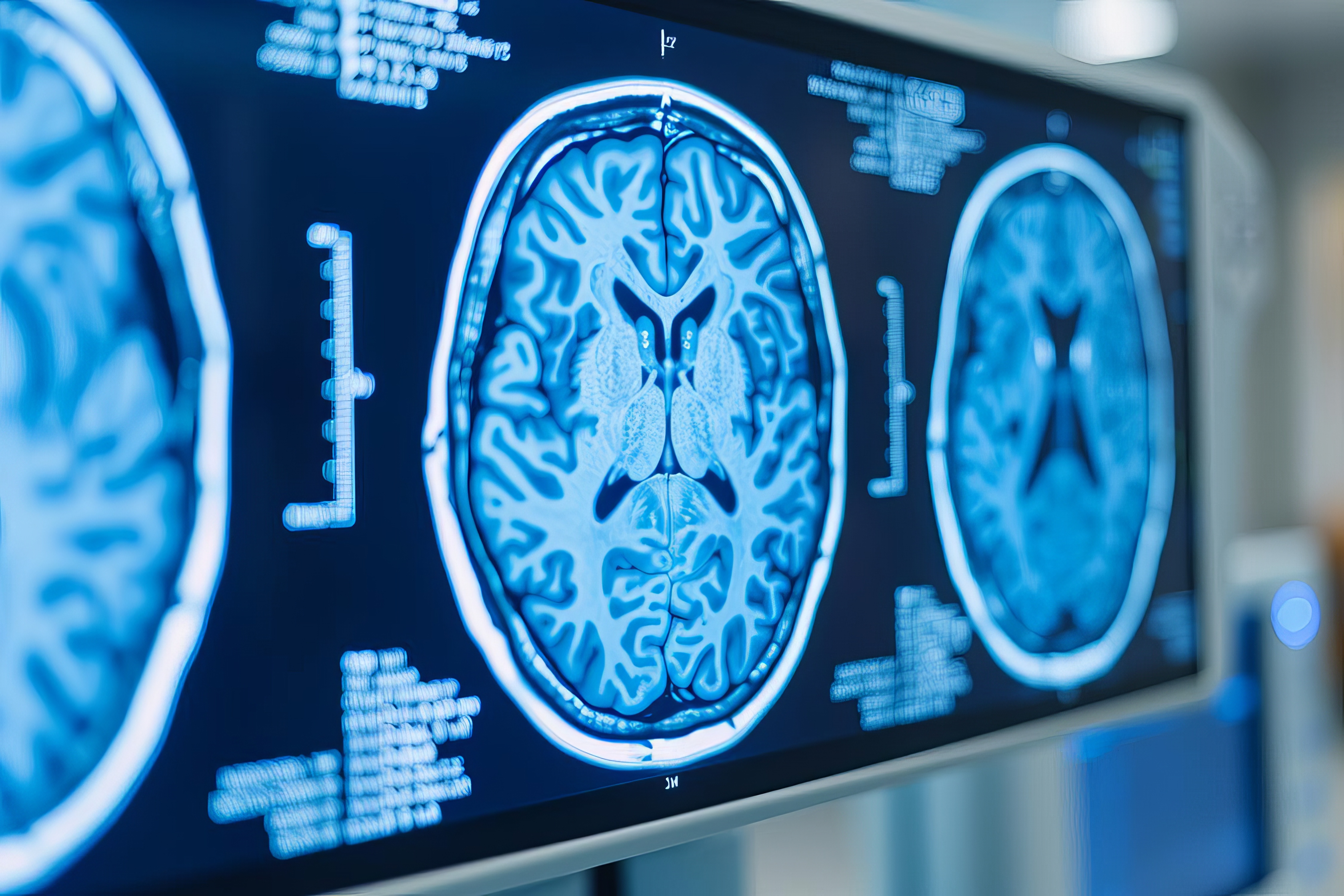
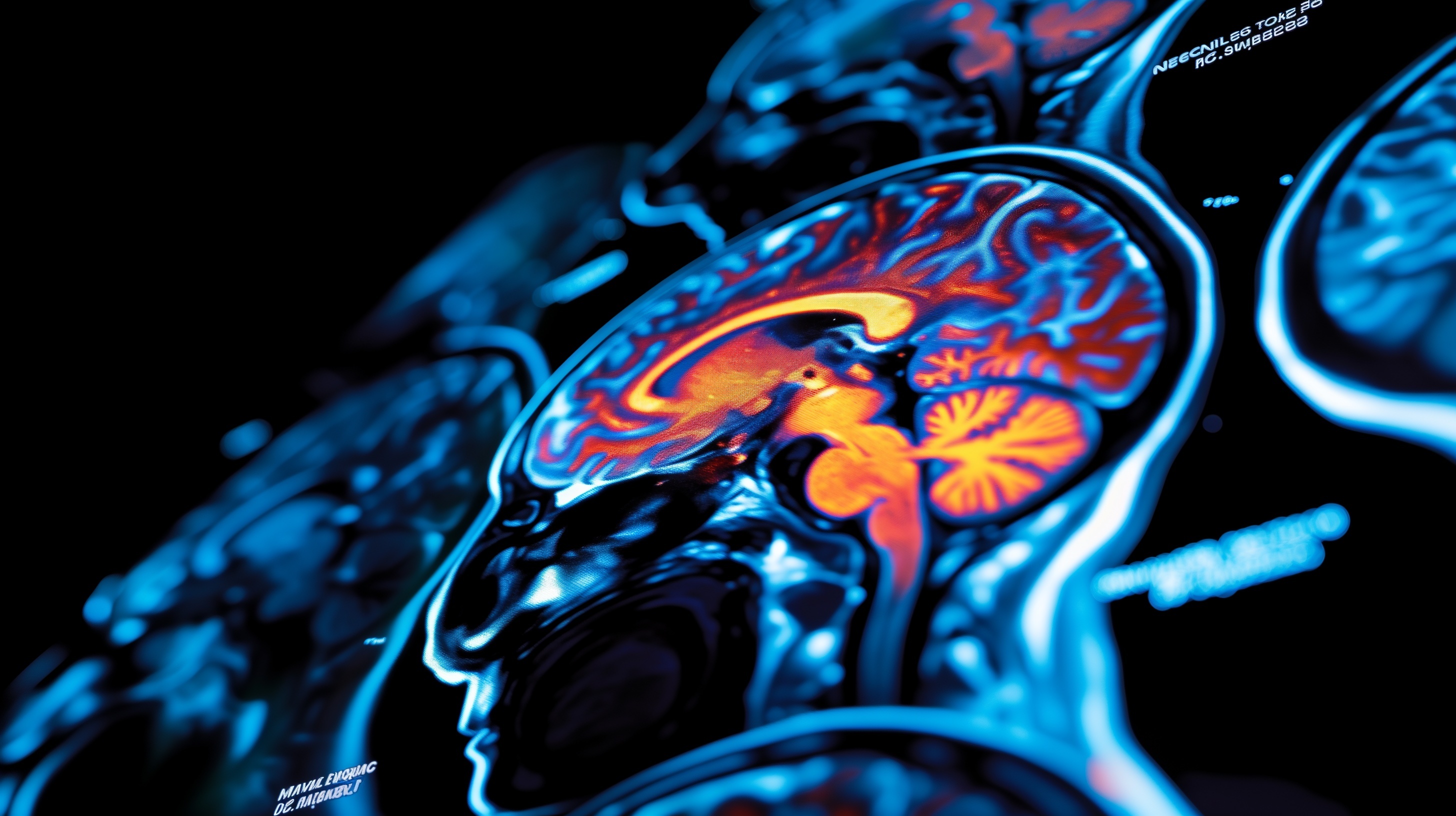
Modern imaging methods can visualize pathological protein deposits in the brain that play a central role in Parkinson’s and other neurodegenerative diseases. These deposits impair cell function and contribute to the progression of the disease. Using imaging methods, we can often identify such changes before the first symptoms occur. This helps to make the diagnosis more precise and treatment can be tailored to the individual patient.
Treatment of Parkinson’s disease
Drug therapy
Drug therapy is based on treatment with dopamine substitutes that can alleviate the symptoms. In addition, there are non-medication based approaches such as physiotherapy and occupational therapy that improve mobility and quality of life.
Preclinical models
Preclinical models allow us to research Parkinson’s in detail and develop new therapeutic approaches. They help us to test innovative active ingredients and treatment strategies before they are tested on humans in clinical trials.
Clinical trials
The efficacy of new drugs and forms of treatment are tested in clinical trials. Only through research are we able to achieve a sustained improvement in patients’ quality of life.
Invasive treatment methods
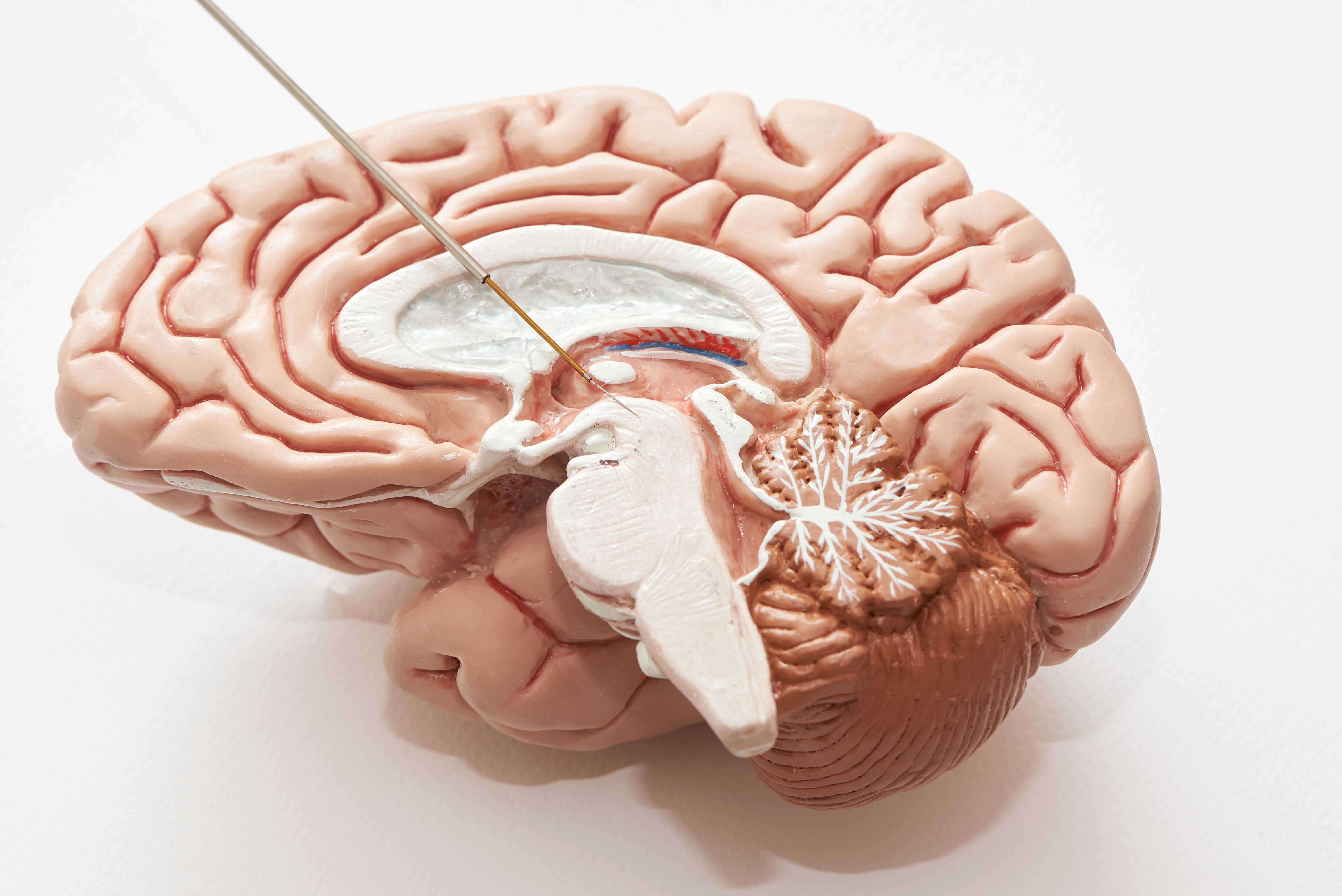
Deep brain stimulation (DBS) can be a promising treatment for patients with advanced Parkinson’s disease. Thin electrodes are implanted in specific brain regions that control movement, such as the subthalamic nucleus or the globus pallidus internus. A stimulator implanted under the skin sends targeted electrical signals to regulate abnormal neuronal activity patterns. In this way, symptoms such as shaking (tremor), muscle stiffness (rigor) and slowness of movement (bradykinesia) can be significantly reduced.
DBS not only alleviates motor symptoms, but also improves the patients’ quality of life by lowering the dosage of drugs required and reducing side effects such as uncontrolled movement (dyskinesia). Advances in the technology allow individual adjustment of the stimulation, for instance, by so-called adaptive systems that react to brain activity in real time, with the result that treatment could become even more effective and precise in the future.
A further treatment option in advanced Parkinson’s disease is pump therapies, such as a levodopa-carbidopa infusion pump. They facilitate continuous medication delivery and help to reduce fluctuations in the effect of the medication.
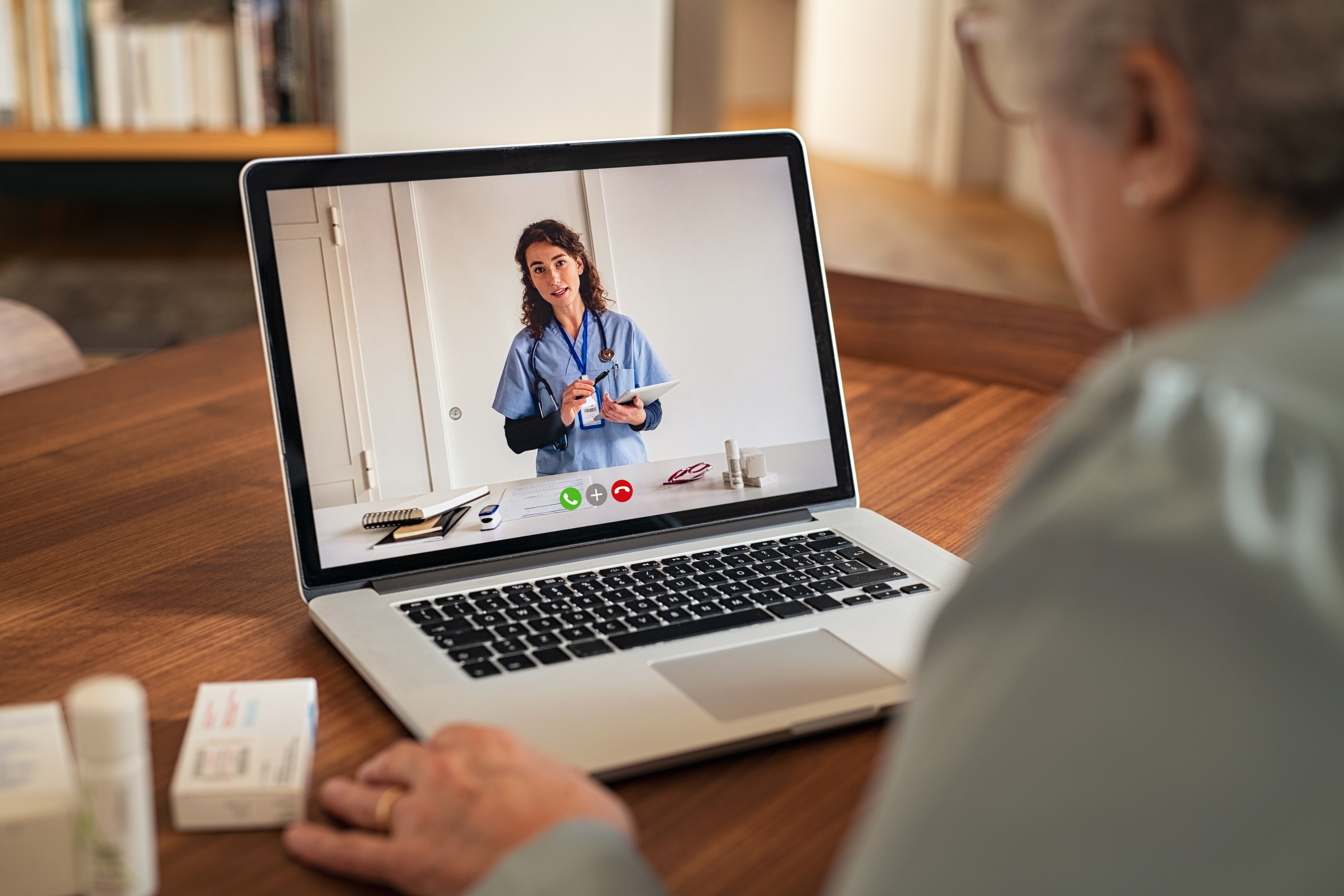
Telemedicine in Parkinson’s
Digital solutions enable patients to be looked after close to home. Telemedicine improves care, reduces travel by patients, and makes the adjustment of treatments easier.
Support our research
Parkinson’s is not yet curable – but with targeted research we can
open up new possibilities in diagnostics and treatment.
Help us to develop innovative solutions to improve patient care.
Donating is easy
Bank transfer
Use the bank details below to transfer your donation directly.
Recipient: LMU München KdöR - Stiftungen@LMU
IBAN: DE16 7002 0270 0015 6232 55
BIC: HYVEDEMMXXX
Bank: HypoVereinsbank München
Reason for transfer: "Nerven bewahren" Foundation
If you need a donation receipt, please enter your full postal address in the bank transfer or send an email to nerven-bewahren@med.uni-muenchen.de
Donating online
Or use our convenient, secure online donation page. Click on the link below to send your donation.